








Are Canned Food Healthy? A Clear Look at the Benefits and Drawbacks
Experts keep investigating the healthy elements in canned goods, which have been a pantry essential for more than 200 years. Today's grocery stores offer shoppers a wide array of preserved items, which include vegetables and fruits, beans, seafood and broths as budget-friendly and convenient meal options.
Canned food has both positive and negative aspects according to its actual contents and processing methods, and your cooking methods. The article is here to look at the merits and the defects of canned food, giving you, the user, enough understanding of which balance to strike in your daily diet.
How Canned Food Is Made and Why It Matters
The Canning Process
Canning preserves food by placing it into a sealed airtight container, which undergoes heating to eliminate all bacteria and pathogens. The combination of heat with the sealed container system serves to keep food from spoiling without needing any refrigeration. Canning food achieves its long shelf life because this procedure prevents spoilage for multiple months or even years.
What Happens to Nutrients During Processing
Some vitamins experience a reduction, while other vitamins maintain their original state. The canning process leads to Vitamin C and certain B vitamins losing their content because these vitamins are sensitive to heat. The extent of vitamin loss depends on two factors, which are the specific food item being tested and its duration of exposure to elevated temperatures. The fat-soluble vitamins A, D, E and K, together with all minerals, maintain their original state because heat does not affect them.
The Real Benefits of Canned Food
Nutritional Value That Holds Up
Canned foods have equivalent nutritional value to fresh foods. The products remain affordable while providing extended shelf life. Healthy options include canned lentils, sardines, pineapple, and artichoke hearts.
Key nutrients commonly preserved in canned foods
- Canned fish, beans and legumes provide protein content.
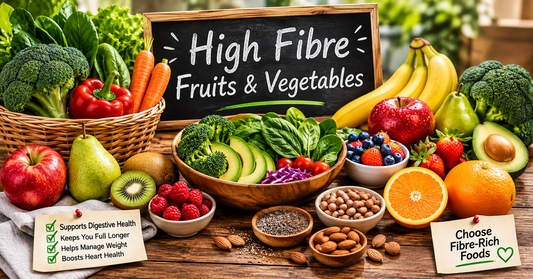
- Canned vegetables and pulses contain dietary fiber.
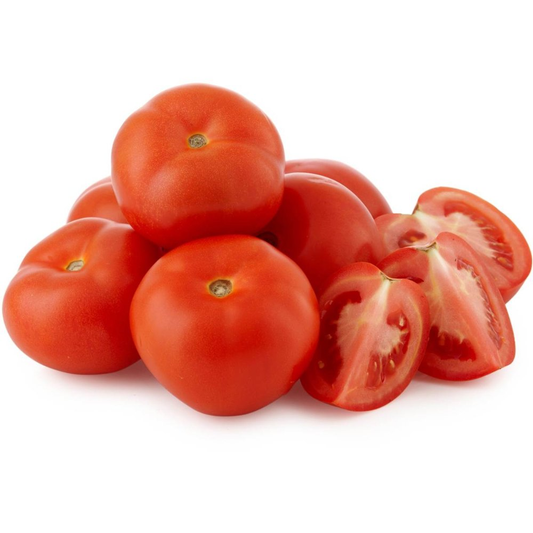
- Lycopene in canned tomato products
- Omega-3s in canned oily fish
- Iron and potassium in various canned vegetables
Affordability and Long Shelf Life
Unexpected grocery expenses increase because families who need to control their spending find canned foods to be their most useful option. The product maintains its nutritional content at a higher level than fresh vegetables, which need refrigeration and tend to spoil within short time periods. The practice of buying canned food in bulk enables people to save more money than they would by purchasing smaller quantities on a weekly basis because the savings build up over time. The system provides an easy method to keep a kitchen supplied with high-quality food while eliminating the need for continuous budget tracking.
Fruitco provides various canned fruit products, which enable consumers to maintain access to fresh produce throughout the entire year while eliminating concerns about product expiration.
The Drawbacks You Should Know About Canned Food
Sodium and Added Sugars
The main nutritional problem with canned foods arises from the processing additives that manufacturers use during production. Canned vegetables contain much higher sodium content than fresh produce. The food industry uses salt because it functions as a food preservative while also improving the flavour of its products. With more than one-third of a day's intake recommended for most adults, over 800 milligrams of sodium are put into a single can of soup.
Canned fruits require monitoring as another section of our study. Most products use syrup as their packaging ingredient because it contains an extra sweetener that makes their naturally sweet taste stronger. The process of reading labels with precision and selecting products that contain no extra salt or low-sugar syrups has a significant impact.
BPA in Can Linings
People forget to acknowledge that most cans have an interior resin coating which contains BPA (bisphenol A) as a common component. The substance has the ability to move into food items, where it causes disruptions to hormonal function. The danger of using cans develops when people consume them on a daily basis. The good news is that numerous companies now provide BPA-free products, which requires consumers to examine product labels.
How to Make Smart Choices with Canned Food
What to Look for on the Label
The difference between a healthy and unhealthy canned option usually comes down to the label. Here are a few things to look out for:
- Choose canned vegetables that do not contain additional salt or which their low-sodium version.
- Pick canned fruit that uses juice or water as its packing material instead of syrup.
- Rinse canned beans before using them to reduce sodium content by up to 40 percent.
- Look for BPA-free labeling if you are buying frequently
- Check ingredient lists for unnecessary additives like artificial flavors or excessive preservatives
Where Bulk Canned Food Makes Sense
The practice of buying bulk canned food demonstrates its value as a solution for families and meal preppers, and people who want to cut down on food waste. Canned legumes, tomatoes, fish and fruit create a base that requires little preparation work to make multiple meals. Primarily, these are to be employed as base products, so they can be combined with fresh as well as frozen vegetables to come up with a complete meal schedule.
Final Thoughts
Canned food can be part of a healthy diet when people select their products with proper care. The products offer nutritional limits, but people prefer them because they cost less and require less effort to use, and they remain usable for extended periods. Healthier product usage requires customers to pick items with minimal added components, to rinse items whenever feasible and to use products as meal additions with fresh fruits and vegetables.
Frequently Asked Questions
1. Is canned food as nutritious as fresh food?
Compared to fresh food options, canned foods preserve the most nutrients at the same level. Some water-soluble vitamins are lost as a result of the processing of the food. Although essential minerals and vitamins like protein and fiber are maintained during the processing.
2. Is it safe to eat canned food every day?
When consumed in moderate amounts, canned foods are a good choice for nutrition.
3. Does buying bulk canned food save money without sacrificing quality?
Yes is the correct answer for most situations. The advantages of purchasing bulk canned food include decreased unit costs and extended shelf life, which enables quality preservation when cans remain properly stored until their best-before date.
Tags:
Previous
What Are Luxury Toiletries and Are They Worth It?
Next
Are Nutella Biscuits Healthy or Not? Ingredients Breakdown and Nutrition Facts