




The Ultimate Checklist for Buying Seasonal Winter Fruits in Australia
Australia's winter doesn't have to mean the end of fresh, delicious fruit. It's a good time, in fact, to stock your fruit bowl with sweet and juicy fruits.
However, purchasing fruit can sometimes be a guessing game. Is it ripe? Is it fresh? Will it be a delicious treat or will it be a sad little rock? This easy checklist will help you select the best winter fruits Australia has to offer without making your shopping trip complicated.
1. Be Aware Of Seasonal Fruit Availability
First, find out what the winter fruits in Australia are. Seasonal fruit is typically fresher as it is harvested around the time it would naturally grow. You can surely find winter fruits Australia in other seasons, but they are not guaranteed to be as fresh as they are in their actual season.
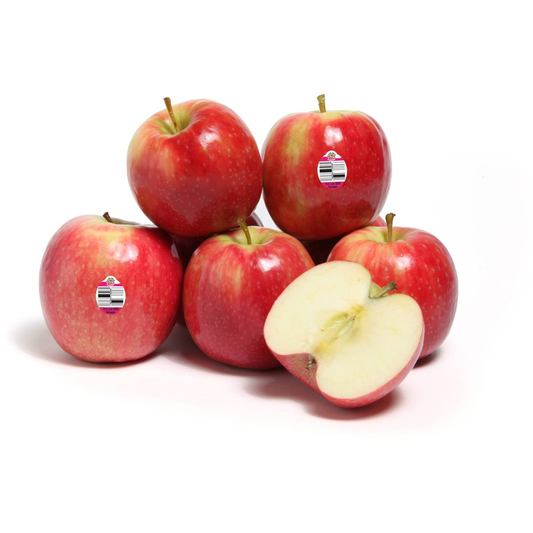
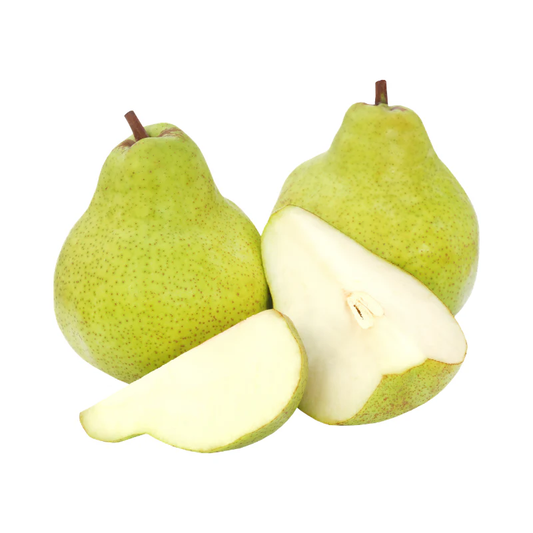
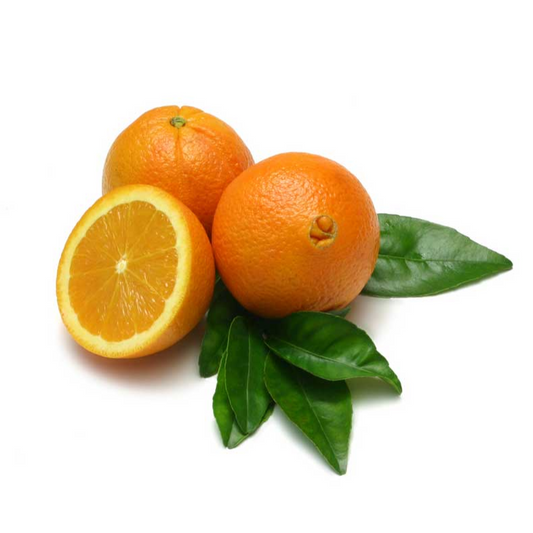
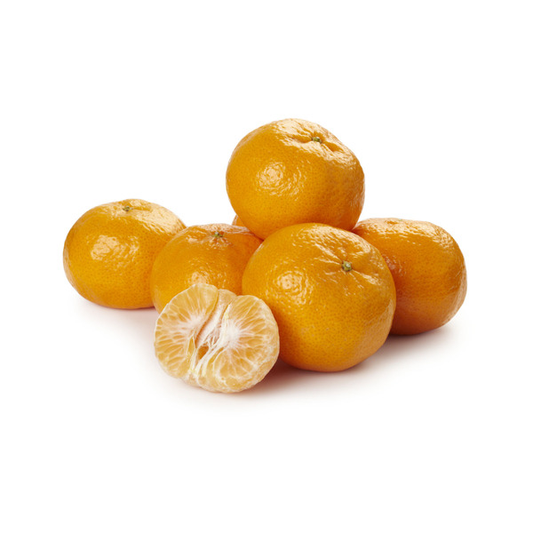
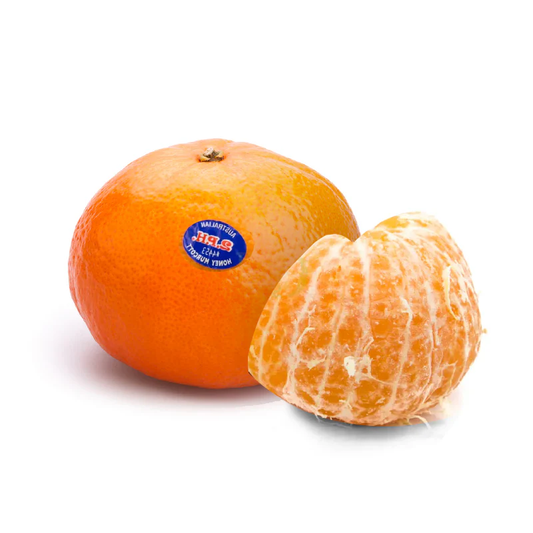
Oranges, mandarins, lemons, kiwifruit, apples, pears and grapefruit are all popular winter season fruits that are available in Australia.
Seasonal selections can also be easier on your wallet. So, your fruit bowl is happier, and your bank account is happier as well.
2. Check the Fruit Before Buying
Don't take the first fruit that you come across. Take a quick glance at it.
Check the skin for:
- Large bruises
- Mold
- Deep cuts
- Very soft spots
- Strange dark patches
It's not always a bad sign if there are a few small marks. Fruit doesn't have to be pretty as a pageant queen.
3. Gently Feel the Fruit
You can learn a lot about fruit by using your hands. Hold the fruit in your hands. Use your fingers to feel the skin. The fruit should feel a bit firm when you press on the fruit, but the fruit should not feel hard like a rock.
If the fruit feels too soft, the fruit might be overripe. However, you should always remember the nature of the fruit. If the fruit feels too solid, the fruit might just need time to get ripe. Do not just rush and put everything in the cart that comes in your hands. A soft touch will suffice.
4. Look for Bright and Healthy Skin
The outer cover of a fresh fruit is usually tight and appears healthy. When you are picking out oranges or mandarins, make sure they are weighty for their size. This means it is a good juice fruit that you can count on.
With apples and pears, inspect the fruit to see if it's hard, which is a good thing, and notice if there are any type of spots on them. Usually apples can get spots if they are overripe. The skin may be slightly hairy on kiwifruit. This is nothing unusual. It's not just a baby coat for the winter.
5. Smell the Fruit
Fruit that is ripe is usually sweet and smells very good. I find that using my nose can help me determine the quality of the fruit. If the fruit is overripe, the fruit will give off a smell that's sour, fermenting or simply stinky. This technique is most suitable for fruit that typically has a strong fragrance.
6. Choose the Right Amount
It's easy to see why it's tempting to purchase a large bag since the fruit appears good. Then three days later, you find half of it in the fridge, sitting sadly.
Purchase a quantity that your family can consume before it gets overripe. There's always another shopping trip around the corner to purchase more.
7. Ask Where the Fruit Came From
You are buying fruits, not some shoes or clothes from a store. This is your right and responsibility to inquire about the fruit because, in the end, you are going to eat them. So know what you are feeding yourself and your family. Ask the salesman about where it came from, how long till the expiry date, and how fresh it is. Winter-season fruits Australia need a little inquiry for sure.
8. Properly Store Your Fruit
Purchasing fresh fruit is just half the task. It is also important that it is stored properly. Certain fruits may be left on the kitchen counter for some time. Others keep their shelf life longer in the refrigerator.
Keep an eye on your fruit after buying it. Remove any spoiled pieces as soon as possible. Otherwise, it could be the troublemaker of the fruit bowl.
9. Try Different Winter Fruits
Avoid buying the fruit every week; you will get bored. Try oranges for one week, then switch to pears for another week, and then kiwifruit for a third week. No wonder you might discover a favorite. Other fruits can be mixed together in smoothies, fruit salads, desserts or eaten as a snack.
10. Search the Price of the Item Before Purchase
Don't assume that the largest box is the best value. If possible, compare the price per kilo. Sometimes, a smaller box is a better value. It also translates to fewer fruits lying around until they get too soft.
Buy From a Trusted Seller
Your shopping will be much easier with a good fruit shop such as Fruitco. We are the vendors with clean, fresh, and well-kept fruit. You can also ask our salesmen what fruits are freshest on that day. They could even guide you to a good deal!
Summing Up: Make Your Winter Fruit Shopping Easy!
It's easy to purchase winter fruits in Australia. Be aware of what is in season, look at how fresh it is, and only purchase what you will eat.
Select fruit that is healthy, firm, and has a fresh aroma. Most important of all, choose fruit that you like to eat. Get on with the list of best winter fruits in Australia in the above article.
After all, the ideal fruit isn't the one that looks fancy in the store. It's the one that gets lost in your kitchen before you even realize you purchased it.
Tags:
Previous
How Adding High Fibre Fruits and Vegetables Can Improve Your Health
Next
How to Ripen Avocados Quickly at Home: 4 Easy, Proven Methods