





Types of Pasta Explained: An A-to-Z Guide for Beginners & Food Lovers
Pasta is a popular dish amongst individuals across the globe. It brings families together at dinner tables. People enjoy it in cozy homes or fancy restaurants. This simple food comes in so many shapes and styles. Everyone from new cooks to big food fans can find something to love.
The best thing to do is to be familiar with the various types of pasta. Options might seem excessive, but it is possible to sort them by shape. This guide will take you through the most popular shapes A to Z, so you can begin to cook with confidence now.
Types of Pasta
The pasta aisle may resemble a puzzle to look at. Each shape has its own job. Some hold thick sauces. Others work best with light ones. Pasta comes dried or fresh. Dried pasta uses durum wheat and water. It keeps well and stays firm when cooked. Fresh pasta adds eggs for a softer bite and suits gentle sauces.
This is a simple A-Z list of types of pasta shapes that are actually used at home. Each shape has a short explanation of its origin and easy methods to prepare it.
Anelli: These are cute little pasta rings that look like tiny donuts. They’re great in soups. All you need to do is add a bunch of them, and they cook quickly. They are also used in cold salads along with cucumber, tomato, and lemon squeezer. Very simple to use, especially for first-time users.
Bucatini: Thick spaghetti with a hole in it. Roman cooks love them with meaty sauces. The hole catches every bit of flavor. And serve it with a tomato sauce containing pancetta or bacon. Twirling a big forkful feels so good. It’s a nice way to learn how to cook pasta just right.
Cavatelli: No more than short, curled shells you can almost imagine rolling on the hand of some southern Italian tapestry. They stick really well to creamy sauces such as ricotta or even broccoli.
Ditalini: Small tubes which are also referred to as thimbles. Good in bean soup or in any thick, hearty broth. They do not steal the show but absorb the flavor. They are cooked in less time than it takes to get the table ready.
Elbow Macaroni: The arched ones that most of us had been used to eating in mac and cheese. They are holding creamy sauce in the bend. Great with cheese on top or a combination of cold with tuna and mayo on top as a lunch.
Farfalle: Bow ties or butterflies, when you are poetic. They are pretty, and the little pinched piece snaps up peas, bits of tomato, or pesto. Add them to vegetables and some olive oil to create a new, lovely plate that could look good and taste bright.
Fusilli: Forked cords that twist round your fork. Sauce gets stuck in every spiral. Good with meaty sauces or just garlic and butter. Certain packs are green or red, which makes the plate more entertaining.
Gnocchi: Pillows of soft potato that are not exactly pasta. They melt in the mouth, and all treat them like family. Classic topping consists of brown butter and sage. Or go rich with gorgonzola.
Lasagna: Large square layers that one fills with sauce, cheese, and possibly mince. It bakes with a wonderful smell throughout the house. Ideal when friends or family visit.
Linguine: Long strips that are flat and slim. Best paired with seafood or plain lemon and garlic. Light and refreshing, particularly during a warm evening.
Manicotti: Large tubes that you stuff with small sleeves. Add spinach or spiced meat, and place a lot of ricotta in. Pour over tomato sauce, and bake it.
Orecchiette: These are like little ears of Puglia. The cup shape gathers sausage and greens in an ideal way. The normally handmade rough texture keeps the sauce together.
Penne: Tubes that are angling and ridged. Sauce sticks on as it belongs there. There is always a pack available in most kitchens.
Radiatori: small radiator shapes, which are finned. Chunky and modern. They snatch up thick meat sauces and give a good texture to stews.
Ravioli: Square-filled pockets made out of cheese, spinach, or meat. Boil and serve with butter and sage or some light tomato sauce. Each bite bears a surprise.
Rigatoni: This is a large, tube-shaped pasta. It is very coarse, filled with slowly cooked ragù. You can leave it to simmer away on lazy weekends.
Shells (Conchiglie): The seashells pick the cheese or pesto. The children like them cooked in sauce and sprinkled with mozzarella.
Spaghetti: Long, narrow ones, and we all know them. Spin with meatballs, carbonara, or simply with garlic and chili.
Tagliatelle: These are ribbons, thick and flat, which are featured in dense meaty dishes such as Bolognese. They bear the weight of the sauce and are not lost.
Vermicelli: These are fine strands of pasta to use with light soups or with mild tomato soups. Cooks in no time.
Ziti: Long tubes that are usually cut into smaller ones. Put in a baking dish with a lot of sauce and cheese.
There are also different types of pasta flavors, such as whole wheat to be extra good, or gluten-free rice or lentil pasta. Everyone has something new to try.
Types of Pasta Dishes
The magic happens in the types of pasta dishes. Spaghetti carbonara turns eggs, cheese, and pancetta into the smoothest product ever. Lasagna is prepared in comfort layers. You can be quick or slow; pasta is good in any case.
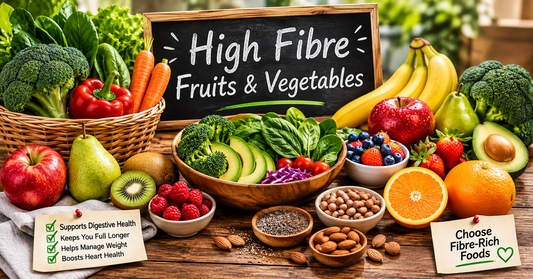
For fresh veggies to make your plate even better, check websites like Fruit Co. They deliver fresh fruits and vegetables online in Australia. Good ingredients turn simple pasta into something special.
Conclusion
Pasta is not only food but a lot more. It is all stories, traditions, and lots of love in a bite. With its minuscule circles of anelli to its broad swabs of tagliatelle, each shape is a gift to the table. Some hug thick, hearty sauces. There are those who dance beautifully with light, silky ones. The discovery of the types of pasta presents a new world of cooking. It makes ordinary evenings look like mini-adventures. It makes the kitchen a happier place when we remain curious about something as basic and beautiful as pasta.
Tags:
Previous
Where to Buy Original Kinder Chocolate Online in Australia?
Next
Halal Frozen Meat & Party Food: Perfect for Family Gatherings and Events